They told me Bali was beautiful. And it is. But no one told me about the quiet charm that lives just across the water. A place where the rhythm slows, where smiles linger, and where the land still feels sacred. That place is Lombok.
I didn’t come for a vacation, not really. I came for a reset. What I found was an island full of stories, people who didn’t just welcome me but made me feel part of their daily breath, and landscapes that gently rearranged something inside me. This wasn’t a typical escape. It was something more intimate—a discovery of heart and simplicity.
The First Ride: Learning to Let Go
I landed with no grand plan—only a craving to explore slowly, meaningfully. The idea of renting a scooter or navigating unfamiliar roads on my own? Not appealing. I wanted connection. So I asked around and found a local driver who, as I quickly realized, wasn’t just someone behind the wheel. He was a gateway.
We didn’t just go from A to B. We meandered. He pointed out trees planted by his grandfather. We stopped at a roadside fruit stall where he chatted with the vendor like old friends—which they were. The roads curved through sleepy villages, kids chasing kites, roosters crowing, incense rising from morning offerings. I wasn’t watching. I was inside it.
South Lombok: Where the Sea Sings Softly
The beaches in the south? Otherworldly. But not in a flashy, postcard way. There’s something raw about them. I remember Mawun Bay in the late afternoon. The sun wasn’t setting yet, but the light was golden. A local fisherman sat mending his net, humming a tune I couldn’t place. Two young boys practiced flips into the water, giggling every time one landed awkwardly.
I sat there for what felt like hours. No tour groups. No crowds. Just space to breathe.
Later, we drove to Selong Belanak, where I watched beginners wobble on surfboards and buffalo cross the beach like they owned the place. And maybe they did. The air was thick with salt and freedom.
Encounters in the Highlands
A few days later, we headed north. The air changed. It got cooler, crisper. Mount Rinjani stood in the distance, watching everything, ancient and calm. We made our way toward Senaru, but first stopped at a small homestay for coffee. Not fancy. No menu. Just a woman boiling water over firewood and handing me a cup like I was a cousin coming home.
We hiked a short path to a waterfall. The sound, the mist, the sheer green that surrounded it—it silenced my thoughts.
It was here I started to understand that a real experience doesn’t need a script. The most meaningful travel moments aren’t always planned. They happen when you’re open to them.
Village Rhythms and Gentle Smiles
One of the most powerful parts of my journey was visiting a traditional Sasak village. My driver knew a family there, and they welcomed us without fuss. No staged performance. Just everyday life—kids playing with sticks and stones, elders weaving cloth, someone preparing coconut rice over coals.
They offered me food and stories. One man spoke about the island before tourism, about rituals that still shape how they plant, pray, and parent. It wasn’t nostalgia—it was living tradition.
I learned how to sit quietly and just observe. No camera. No agenda. Just listening. And in doing so, I felt more than a visitor. I felt trusted.
The Power of Going Local
Having someone guide me who was born and raised here made all the difference. Not just because he knew where to go, but because he knew how to go. Slowly. Respectfully. He taught me when to speak and when to watch. When to take photos and when to put the phone away.
He brought me to a lesser-known weaving village, far from the usual tourist path, where I met women who dye their own threads with tree bark and flowers. I bought a scarf—not because I needed it, but because it carried a story I now understood.
So when people ask me what’s the best way to plan a Lombok tour, I tell them: find a local. Not a company. A person. Someone who knows the island like family.
A Slow Day in Tetebatu
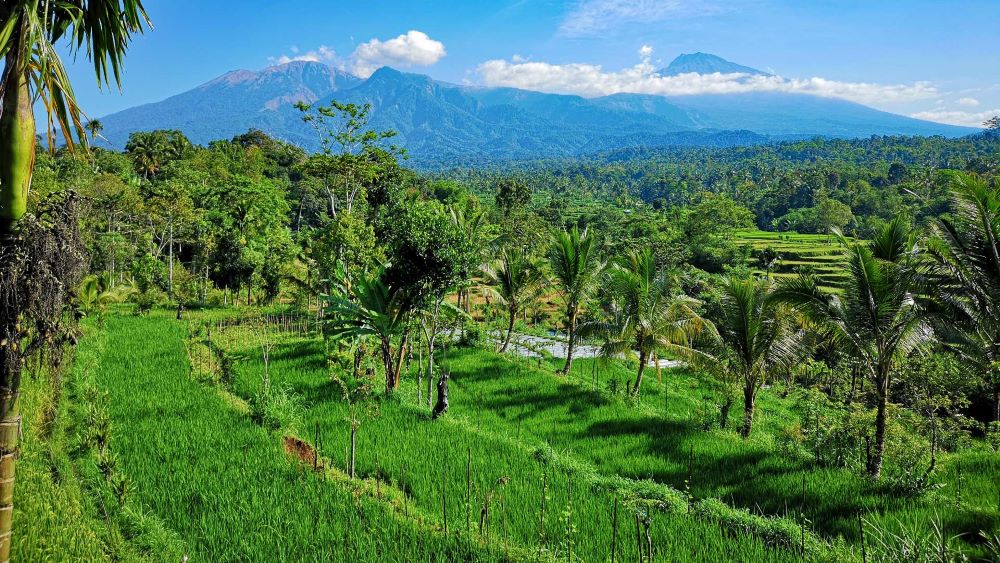
On one of my last days, we made a detour to Tetebatu. It’s not on many lists, and I hope it stays that way. Set at the foot of the volcano, it’s a village wrapped in rice fields, bamboo groves, and sleepy cows.
We walked through terraces still muddy from rain. My guide showed me where eels hide in the paddies, told me stories of weddings that last three days, and pointed out the call of a rare bird whose name I forgot but whose sound still echoes in my memory.
At a small warung, we ate sticky rice with palm sugar and drank hot tea as clouds rolled in. It wasn’t dramatic, but it was perfect.
Reflections in the Rearview Mirror
On my final drive to the airport, I realized something strange. I wasn’t rushing to catch one last view or shop for last-minute souvenirs. I was… full. Not in a touristy sense, but in that deep, content kind of way.
This journey wasn’t about ticking destinations off a list. It was about slowing down, seeing more, and letting the island change me.